 Business License
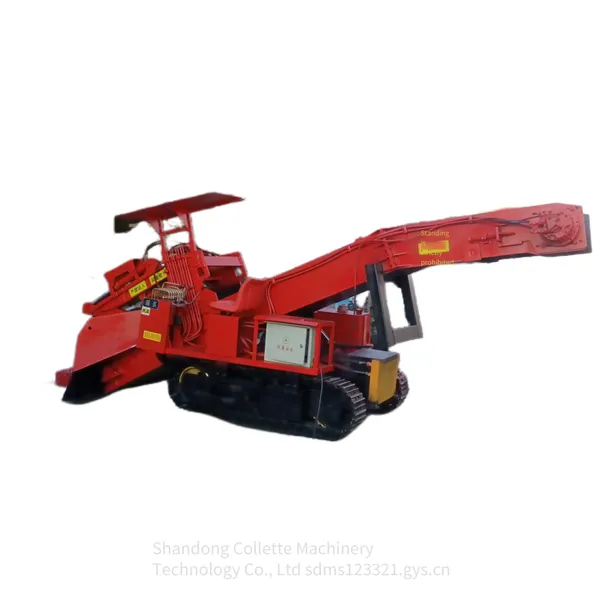
Crawler Belt Mucking Machine
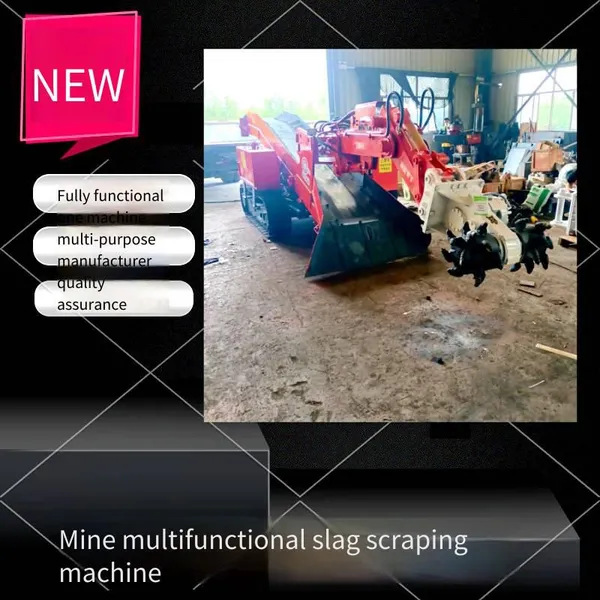
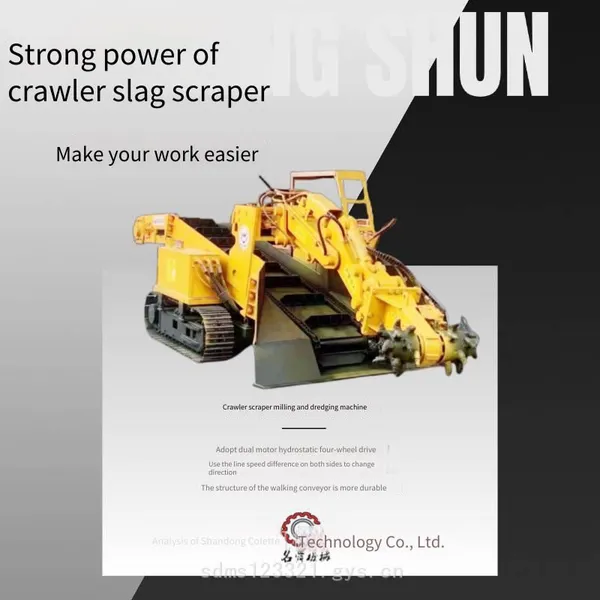
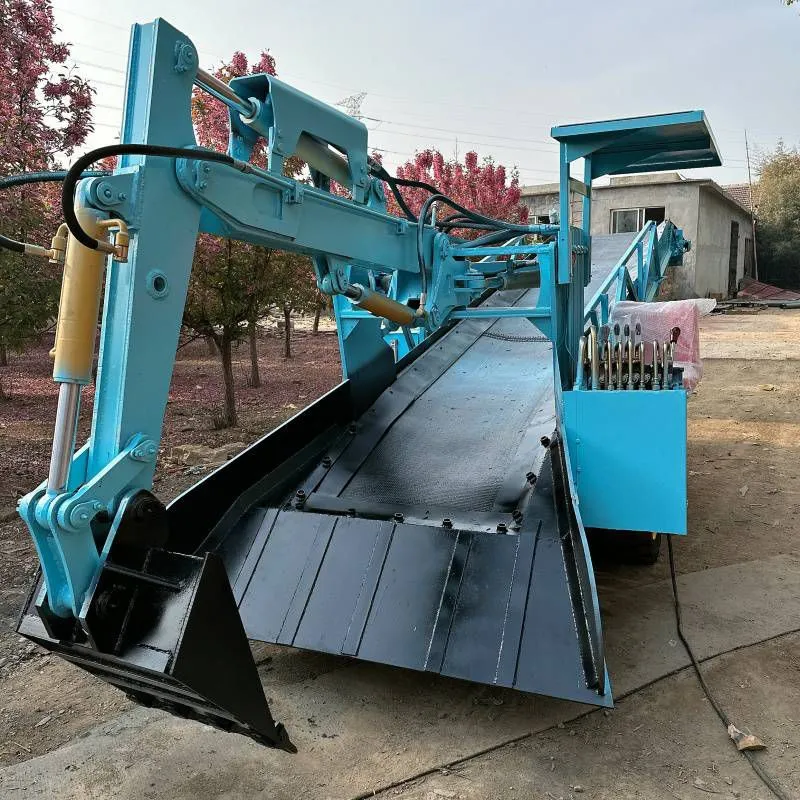 Crawler belt slag scraper (also known as crawler belt slag loader, ZWY crawler-type excavating loader), is the main equipment for continuous slag discharge underground in mines and tunnels. It integrates crawler walking, hydraulic excavating and loading, continuous belt conveying and discharging, with efficiency much higher than that of traditional electric scraper winches. The following provides a thorough explanation from the aspects of core definition, structure, working principle, efficiency, model selection and comparison with electric scrapers:
I. Core Definition and Essence
Crawler belt mucking machine = crawler walking chassis + hydraulic backhoe loading arm + belt conveyor. It advances via crawlers, uses a hydraulic bucket to scoop up slag, directly feeds it onto the onboard belt, and continuously conveys it to the rear for discharge into mine cars or transfer machines, achieving uninterrupted continuous slag removal and replacing the electric scraper's "reciprocating scraping + manual assistance" mode.
II. Core Structure (Five Major Systems)
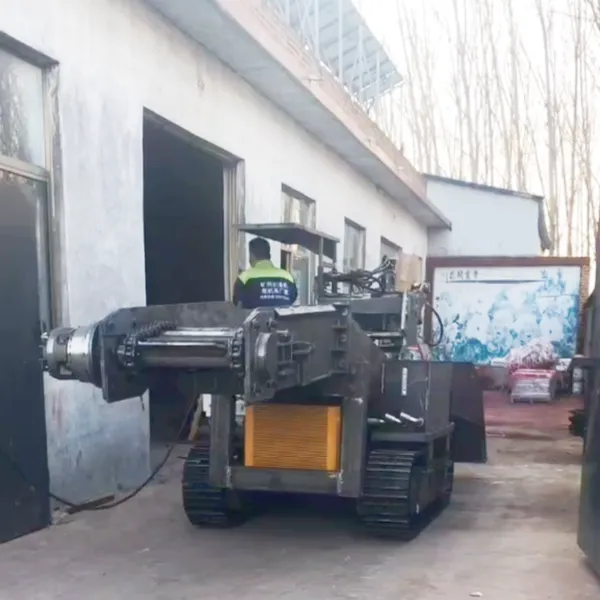
Walking System: Crawler chassis (steel crawlers driven by hydraulic motors and reducers), featuring low ground pressure and strong grip. It adapts to muddy, waterlogged and steep roadways, with a climbing capacity of 15°~25° (electric scrapers are generally ≤8°), and enables in-situ steering and flexible movement.
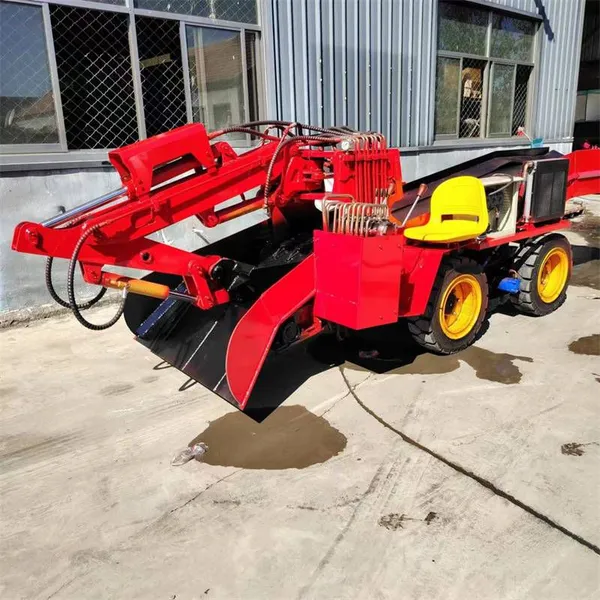
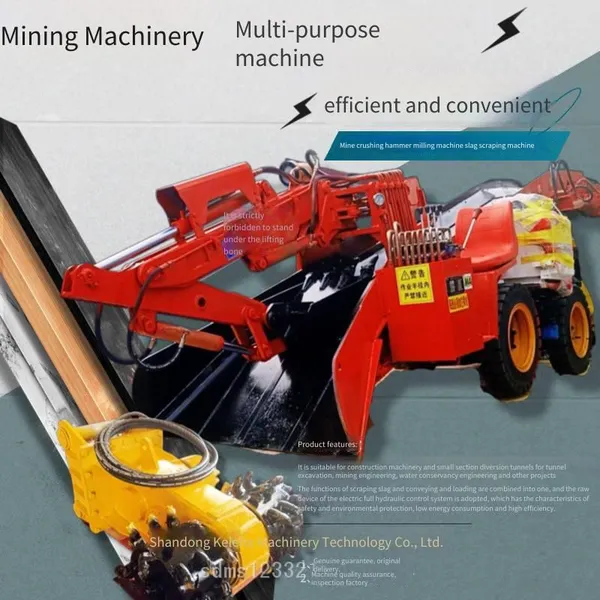
Loading System: Hydraulic backhoe arm (boom, arm and bucket), controlled by a pilot valve, capable of lifting, rotating and telescoping. It performs full-section slag removal without dead corners, can conduct risk removal, bottom cleaning and ditch excavation, and is suitable for large ore crushing (a crushing hammer can be installed optionally).
Conveying System: Belt conveyor (flame-retardant and wear-resistant belt with a width of 500~800mm), driven by an electric/hydraulic drum, featuring continuous and uniform conveying, no slag jamming and high efficiency, differing from scraper conveying (prone to large block jamming and severe wear).
Power and Hydraulic System: Mainly electric-hydraulic type (explosion-proof motor + hydraulic pump, safe for underground use with no exhaust gas); diesel or dual-power configurations are also available. The hydraulic system is equipped with pilot control, overload protection and air cooling, ensuring stable movements and easy operation.
Control and Frame: Compact frame with single-person operation (pilot joystick), equipped with emergency braking and limit protection. The machine body is narrow (1.5~1.8m), suitable for small-section roadways of 2.4m×2.4m and above.
# III. Working Flow (Continuous Mucking, No Idle Stroke) 1. The crawler travels forward to the tunnel face; the hydraulic grab bucket descends and penetrates the ore pile. 2. The grab bucket closes, the arm lifts, and dumps muck into the belt inlet on the machine body. 3. The conveyor belt runs continuously, transporting muck from the head to the tail of the machine. 4. Muck is directly discharged from the tail into mine cars, shuttle cars, or downstream belt conveyors. 5. The excavating arm repeats loading cycles; the crawler advances with the tunnel face. The whole process is continuous, non-returning, and non-stop. # IV. Core Efficiency (Great Advantages Over Scraper Haulers) - **Rated Loading Capacity**: Main models include ZWY‑60 (60 m³/h), ZWY‑80 (80 m³/h), ZWY‑120 (120 m³/h). Actual on-site efficiency: 40–100 m³/h (loose ore and rock), equivalent to 80–200 t/h (density 2.5–2.7 t/m³). - **Comparison with Scraper Haulers**: Scrapers only achieve 20–50 t/h, with reciprocating motion, high idle‑stroke ratio, and poor adaptability to large rocks. Crawler belt mucking machines deliver **2–4 times higher efficiency**, with continuous operation, fewer workers (only 1 operator), short cycle time, and effective working rate ≥85%. - **Efficiency Factors**: Optimal rock size ≤500 mm (large rocks require crushing); stable efficiency at gradients ≤18°, declining above 20°; built‑in conveying eliminates long‑distance hauling; operator proficiency. # V. Main Models & Key Parameters (Common Versions) - **ZWY‑60T**: Loading rate 60 m³/h, motor 22 kW, belt width 600 mm, climbing capacity ≤18°, weight approx. 4 t, suitable for 2.4×2.4 m roadways. - **ZWY‑80T**: Loading rate 80 m³/h, motor 30 kW, belt width 650–700 mm, climbing capacity ≤20°, weight approx. 6–7 t, suitable for 2.8×2.8 m roadways. - **ZWY‑120T**: Loading rate 120 m³/h, motor 45–55 kW, belt width 800 mm, climbing capacity ≤25°, weight approx. 8–10 t, suitable for roadways ≥3.0×3.0 m. # VI. Core Advantages vs Scraper Winches - **Higher Efficiency**: Continuous conveying with no idle stroke; 2–4 times the efficiency of scrapers; tunneling cycle time reduced by over 30%. - **Stronger Adaptability**: Crawler chassis works in mud, waterlogging, and steep gradients; excavating arm cleans dead corners, removes hazards, and breaks large rocks. Scrapers are limited to flat roadways, vulnerable to large rocks, and prone to jamming. - **Safety & Labor**: Single‑person operation away from the tunnel face, reducing risks of roof fall and dust exposure. Scrapers require multiple workers and carry high risks of wire rope breakage. - **Maintenance & Cost**: Easy belt replacement and low failure rate. Scrapers suffer high wear on wire ropes, pulleys, and tail sheaves, with frequent downtime. # VII. Applicable Scenarios - Continuous mucking for metal mines, coal mine rock roadways, semi‑coal‑rock roadways, water diversion tunnels, railway/highway tunnels, and national defense caverns. - Suitable for roadways with cross‑section ≥2.4×2.4 m, gradient ≤25°, and rock size ≤500 mm. - **Not applicable**: Ultra‑small cross‑sections (<2.2 m), oversized rocks (>600 mm without crushing), long‑distance single‑head scraper hauling (scrapers remain advantageous).
Recently Posted
-
Mine Transport Three-wheeled Vehicle Engine
March 14, 2026The characteristics and recommendations of the engine for mining transport tricycles are as follows:1. Engine types and characteri Read More
 -
Diesel three-wheeler seven-speed and eight-speed
March 14, 2026The comparative analysis between the seventh-speed and eighth-speed diesel tricycles is as follows:1. Structure and Operational Co Read More
 -
ZWY-60 Wheeled Mucking Loader: Efficient & Flexible Underground Mucking Solution
March 4, 2026The ZWY-60 Wheeled Mucking Loader is a medium-duty tire-type mucking equipment with 60m³/h loading capacity and moderate power con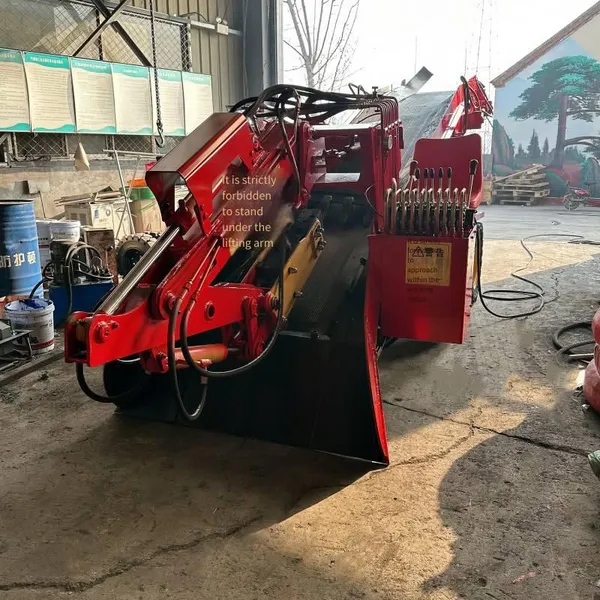 Read More
 -
Research on Technical Principles, Application Status and Development Trends of Mine Mucking Machines
March 4, 2026Mine Mucking Loader: Structure, Working Principle and Development Trend As a key piece of equipment for modern underground mine ex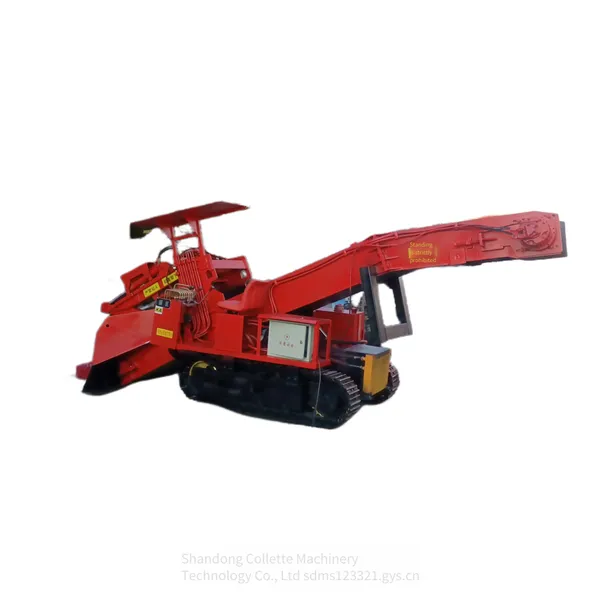 Read More

Contact Us
Recommended Products
-
 Mine Mucking Machine Underground Tunnel Mucking Machine Wheel Crawler Mucking Machine ManufacturerNegotiableMOQ: 1 Combo
 -
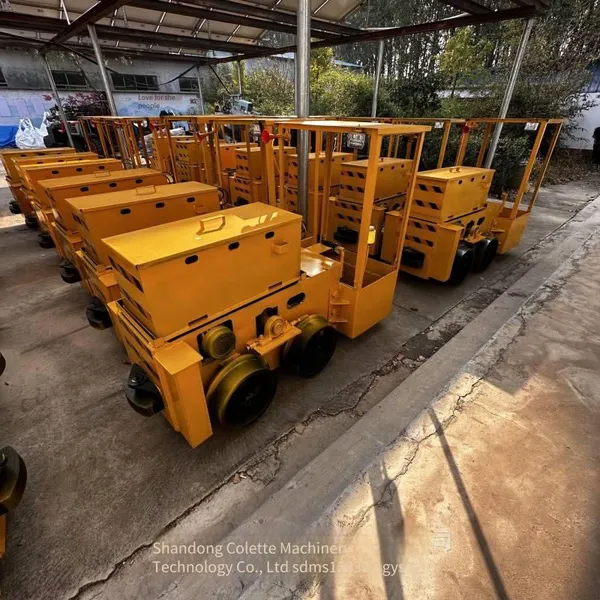
Mining Electric Locomotive 2-ton Small Battery-powered Track Traction LocomotiveUS$ 2733MOQ: 1 Combo
-
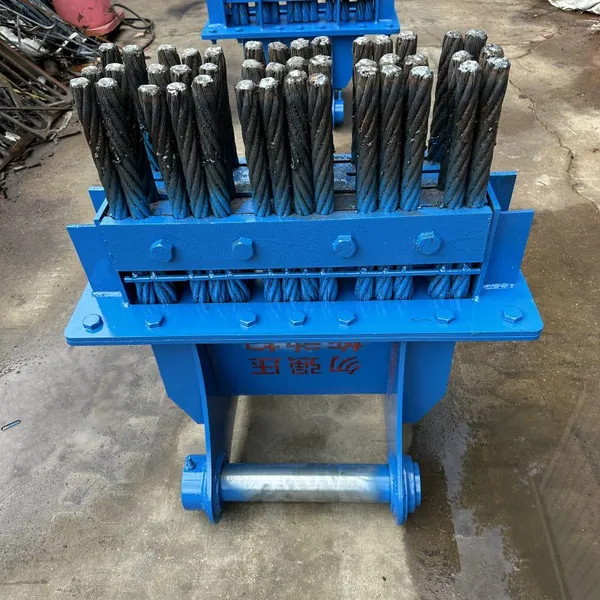
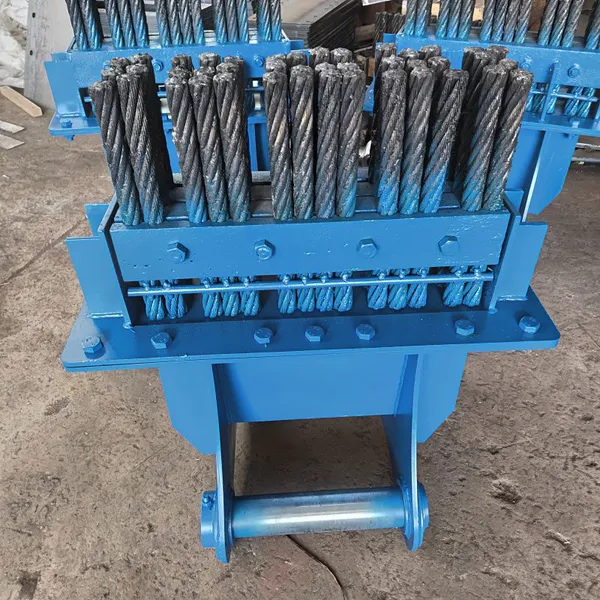
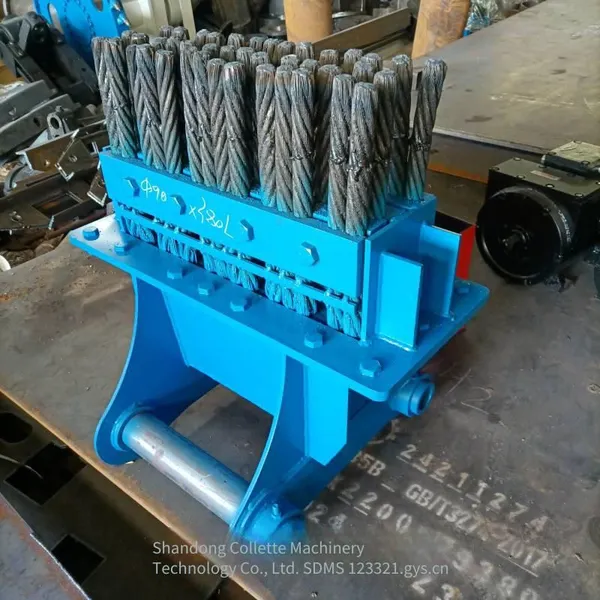
Producing Custom Excavator Modified Steel Brushes, Tunnel Invert Three-row and Four-row Cleaning BrushesNegotiableMOQ: 1 Combo
-
Excavator Attachment Steel Brush, Tunnel Invert Cleaning Three-row Four-row Custom FactoryUS$ 800 - 1200MOQ: 1 Combo
-
Heavy-duty Tunnel Invert Steel Brush for Excavator Modification (3 or 4-row High-strength Cleaning Brush)”US$ 4000MOQ: 1 Combo
-
ZWY-60 Type Sliding Slag Scraper Full Hydraulic Control System Full-time Four-wheel Drive Excavator SupplyNegotiableMOQ: 1 Combo
-
Tire Slag Removal Machine, Crawler Scraper Slag Removal Machine, Breaker Slag Cleaning Loader ManufacturerNegotiableMOQ: 1 Combo
-
ZWY Series Four-wheel Drive Hydraulic Muck Loader for Mining, High Thrust, High Efficiency, and Custom Processing.NegotiableMOQ: 1 Combo
-
New Model Mine Engineering Loading Equipment - Wheeled Belt Mucking Loader Zwy-80 With Hydraulic Breaker, ma and ka CertificatesUS$ 8307.69 - 8461.54MOQ: 1 Unit
-
100-type Mine-used Loading Mucking Machine, Tunnel Rake Loader, Mine Rail Transport Vehicle, 0.75 Cubic Meter Dump Mine CarUS$ 7384.62 - 7630.77MOQ: 1 Unit
-
Mine-used Crawler Scraper Mucking Loader, Model Zwy80 Explosion-proof Mucking Loader, Special Mucking Equipment for Slopes, CustomizableUS$ 7384.62 - 7630.77MOQ: 1 Unit
-
Type 120 Double-chain Crawler Scraper Mucking Loader, Explosion-proof Mucking Loader for Coal Mines, Roadheader for Large Cross-sections and Large SlopesUS$ 7384.62 - 7630.77MOQ: 1 Unit
-
Manufacturer of Mining Crawler Slag Scraper Machines, Coal Mine Explosion-proof Slag Scraper Machines, Double-scraper Conveyor, Manufacturer of Slag Scraper Machine AccessoriesUS$ 7230.77 - 7384.62MOQ: 1 Piece
-
Original Manufacturer of Mine-used Rail Tractors. Sturdy and Durable. Battery Electric Locomotive With Thickened Steel Plate for the Whole VehicleUS$ 8923.08 - 9230.77MOQ: 1 Piece
-
Battery-powered Mine Tunnel Electric Locomotive, Rail Ore-hauling Transport Vehicle, 3-ton, 5-ton and 8-ton Explosion-proof Industrial Mining MachineryUS$ 8923.08 - 9230.77MOQ: 1 Set
-
High-efficiency Excavation Milling Excavator for Excavators, Rolling Cutter Milling Excavator, Manufacturer of Horizontal Blind - Spot - Free Milling ExcavatorsUS$ 5061.54 - 5538.46MOQ: 1 Unit
-
2-ton Electric Locomotive for Coal Mines, Explosion-proof Diesel Locomotive for Mines, 5-ton Diesel Locomotive for MinesUS$ 8923.08 - 9230.77MOQ: 1 Piece
-
Tunnel Excavation, Municipal Cable Trenching and Grooving Machine, Disc Wheel Type Milling Machine With Rotating Cutters, Manufacturer of Rolling Milling MachinesUS$ 5384.62 - 5846.15MOQ: 1 Unit
-
Mini Excavator Milling and Brushing Machine for Walls, Milling Heads for 15 - 30 Ton Excavators, Tunnel Boring and Cable TrenchingUS$ 5061.54 - 5538.46MOQ: 1 Unit
-
Underground Battery-powered Transport Tractors for Coal Mines. Batch Supply of 2-ton, 2.5-ton and 5-ton Underground Electric LocomotivesUS$ 8923.08 - 9230.77MOQ: 1 Piece