 Business License
Research on Technical Principles, Application Status and Development Trends of Mine Mucking Machines
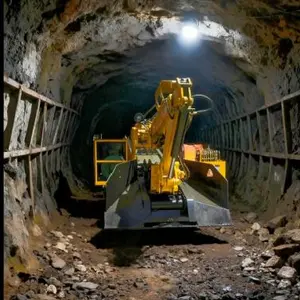
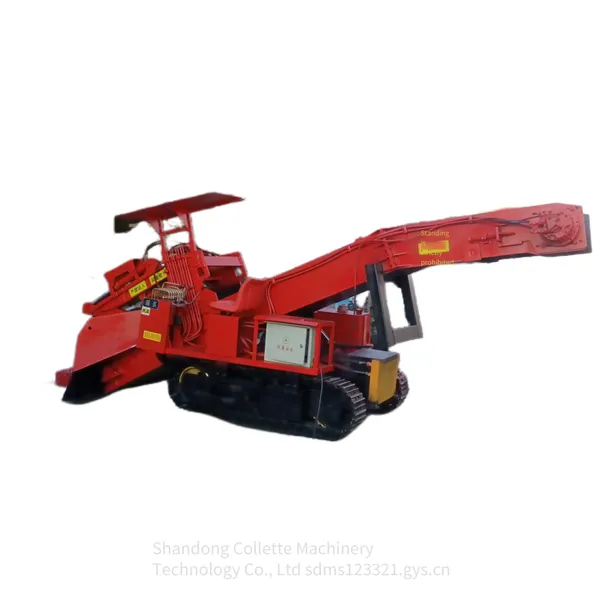
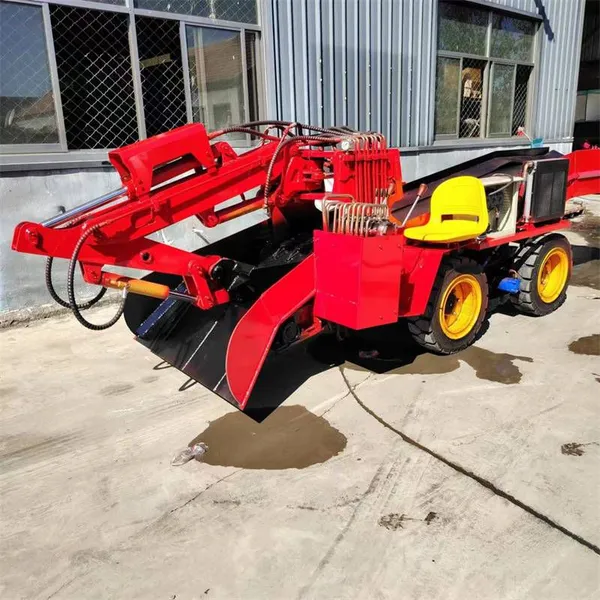
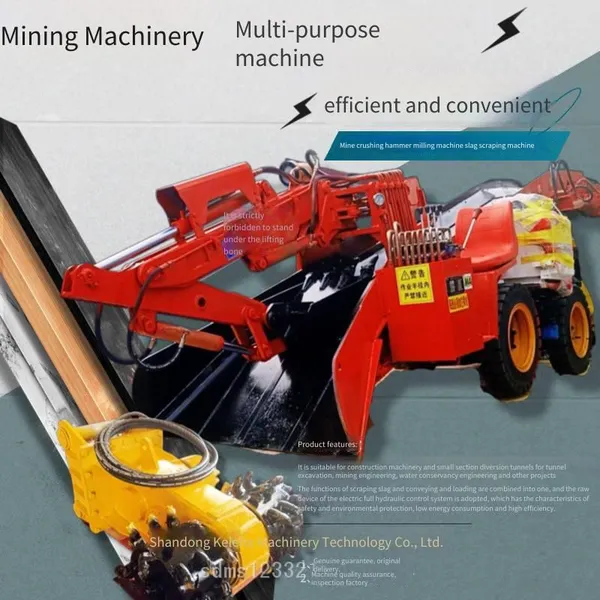
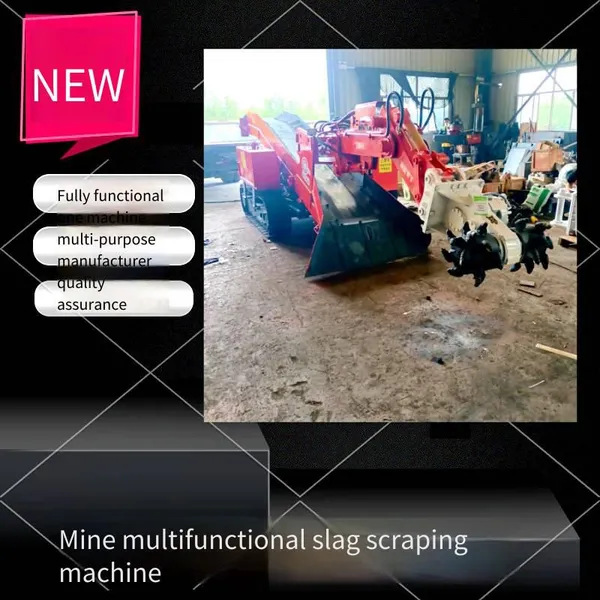
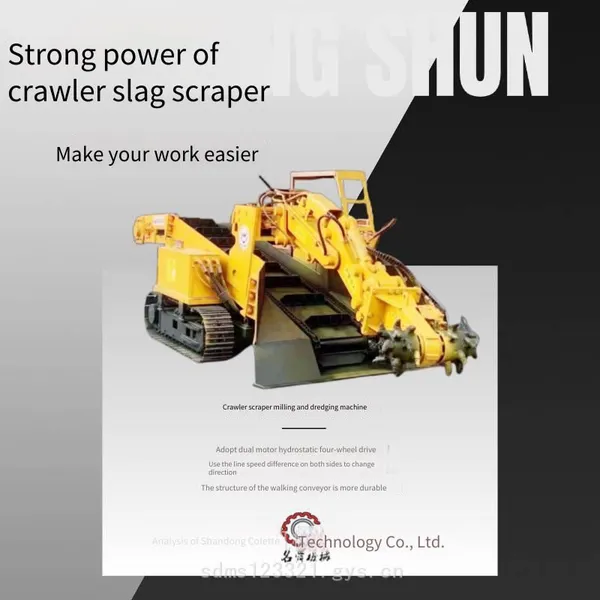
Mine Mucking Loader: Structure, Working Principle and Development Trend As a key piece of equipment for modern underground mine excavation operations, the mine mucking loader plays an irreplaceable role in improving mucking efficiency, reducing labor intensity and ensuring operational safety. This paper systematically expounds the structural composition and working principle of mine mucking loaders, analyzes their application status in coal mines, metal mines and tunnel engineering, discusses the intelligent and green development trends, and puts forward improvement suggestions for current technical bottlenecks, aiming to provide a theoretical reference for the upgrading of mining equipment. In underground mine excavation, the cleaning of rock debris after blasting or mechanical cutting (commonly known as "mucking") is a critical link affecting construction progress. The traditional manual mucking method has prominent problems such as low efficiency, high potential safety hazards and high labor intensity. Statistics show that mucking operation time usually accounts for 30%–50% of the entire excavation cycle, becoming the main bottleneck restricting the improvement of single-drum advance efficiency. The mine mucking loader (also known as scraper mucking loader) is a continuous operation equipment integrating mucking, conveying and transferring functions. Its application significantly shortens mucking time and improves the operating environment. In recent years, with the advancement of mechanization and intelligent construction in mines, mucking loader technology has witnessed leapfrog development from simple scraper type to full hydraulic drive, and from manual control to remote control. Structural Composition and Working Principle of Mine Mucking Loader Overall Structural Composition Modern mine mucking loaders mainly consist of the following five systems: 1. Mucking mechanism: As the core working device, it usually adopts a scraper or bucket structure. The scraper is driven by a steel cable or hydraulic cylinder to complete mucking, lifting and unloading. The scraper capacity generally ranges from 0.15 to 0.6 m³, which directly determines the single-machine production efficiency. 2. Traveling mechanism: To adapt to narrow underground spaces, crawler chassis are widely used, featuring low ground pressure, strong climbing ability (usually ≥20°) and small turning radius. Some models are equipped with rubber tracks to protect the roadway floor. 3. Conveying mechanism: Mostly scraper conveyors or belt conveyors are adopted to transfer the mucked rock to subsequent transportation equipment (mine cars, shuttle cars or belt conveyors). The conveying capacity must match the mucking capacity to avoid material blockage. 4. Hydraulic system: Modern mucking loaders generally adopt full hydraulic drive, with a system pressure of usually 16–25 MPa, providing power for mucking, traveling and conveying. Key components include variable pumps, multi-way directional valves, hydraulic motors and cylinders. 5. Electric control system: It includes explosion-proof motors, electric control boxes, operating valve groups and sensor networks. Coal mine equipment must comply with the GB 3836 explosion-proof standard to ensure intrinsic safety in gas environments. Working Principle and Operation Flow The operation flow of the mucking loader follows the cycle mode of "mucking–lifting–unloading–returning": • Mucking stage: The operator controls the scraper to lower to the muck pile, and the hydraulic motor drives the scraper to close and insert into the rock debris; • Lifting stage: The lifting cylinder or winch pulls the scraper up along the guide groove, while keeping it closed to prevent debris leakage; • Unloading stage: When the scraper reaches the unloading height, it collides with the limit device and opens automatically, and the rock debris falls into the conveyor; • Returning stage: The unloaded scraper quickly returns to the working face for the next cycle. In continuous operation mode, the cycle time for a skilled operator can be controlled at 20–40 seconds, with an hourly production capacity of 30–80 m³, which is 5–10 times higher than that of manual mucking.
Recently Posted
-
Crawler Belt Mucking Machine
April 20, 2026Crawler belt slag scraper (also known as crawler belt slag loader, ZWY crawler-type excavating loader), is the main equipment for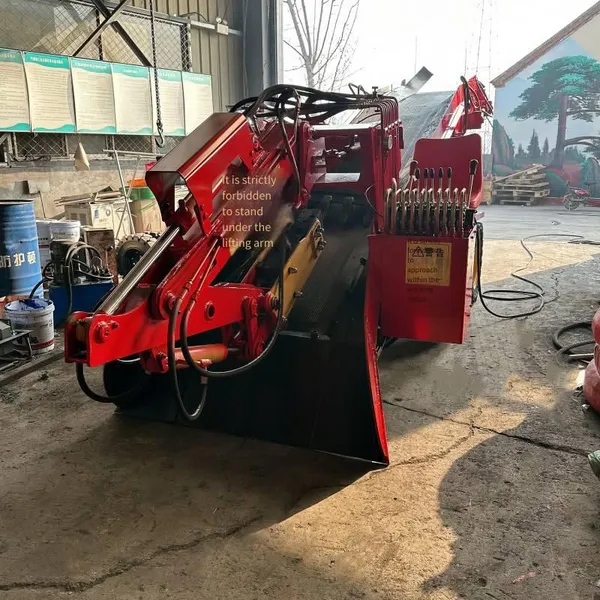 Read More
 -
Mine Transport Three-wheeled Vehicle Engine
March 14, 2026The characteristics and recommendations of the engine for mining transport tricycles are as follows:1. Engine types and characteri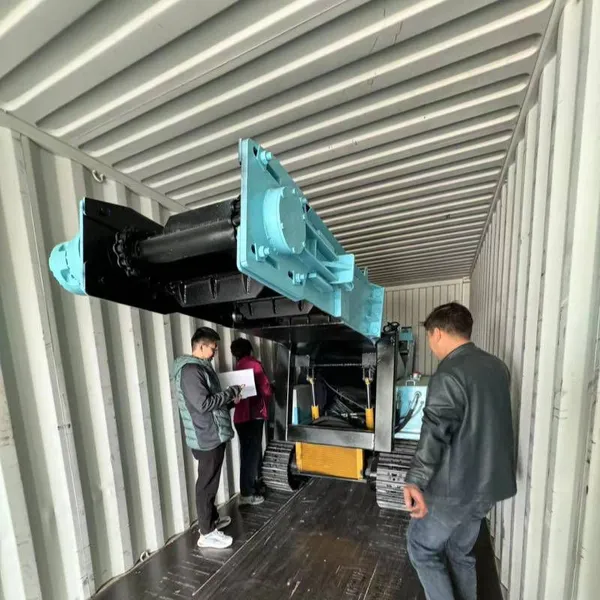 Read More
 -
Diesel three-wheeler seven-speed and eight-speed
March 14, 2026The comparative analysis between the seventh-speed and eighth-speed diesel tricycles is as follows:1. Structure and Operational Co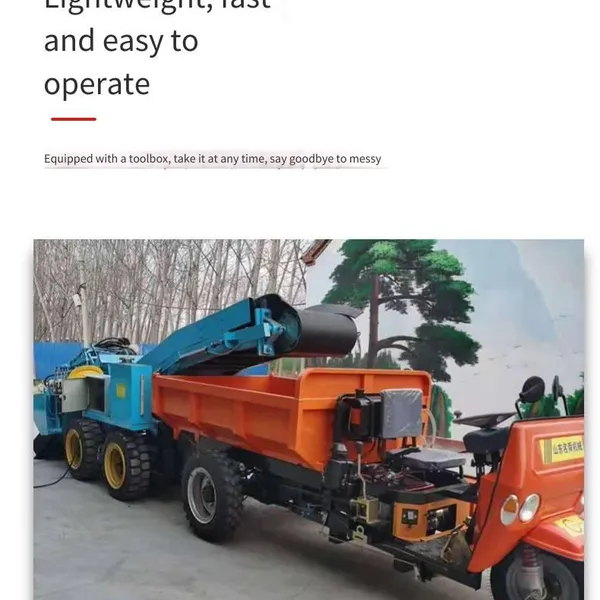 Read More
 -
ZWY-60 Wheeled Mucking Loader: Efficient & Flexible Underground Mucking Solution
March 4, 2026The ZWY-60 Wheeled Mucking Loader is a medium-duty tire-type mucking equipment with 60m³/h loading capacity and moderate power con
Read More

Contact Us
Recommended Products
-
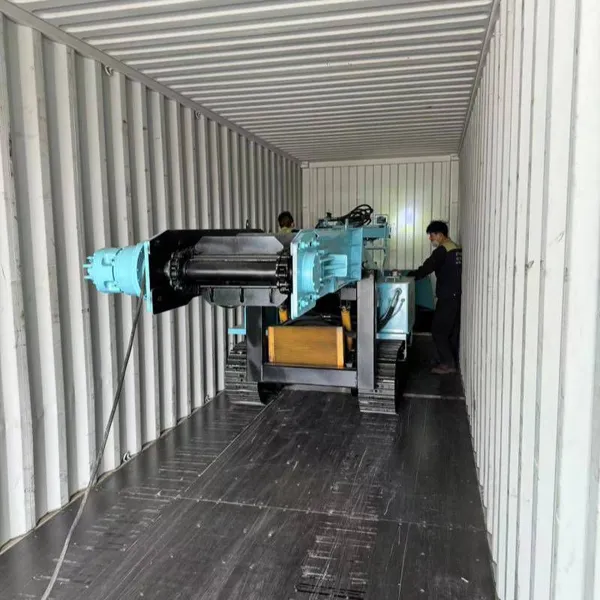
 Mine Mucking Machine Underground Tunnel Mucking Machine Wheel Crawler Mucking Machine ManufacturerNegotiableMOQ: 1 Combo
 -
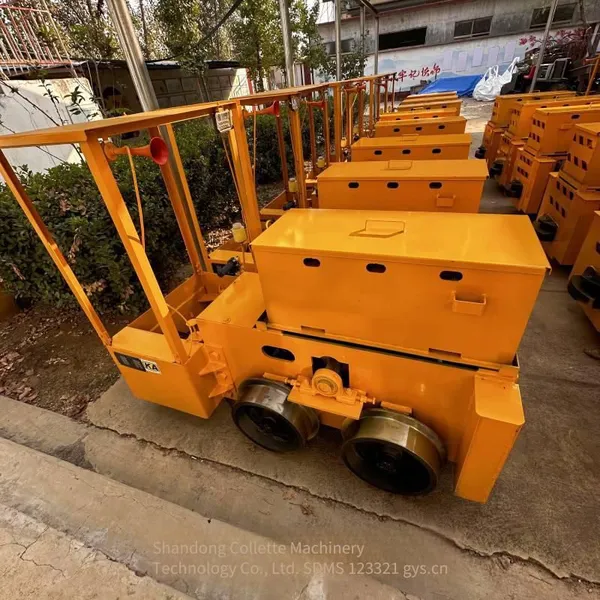
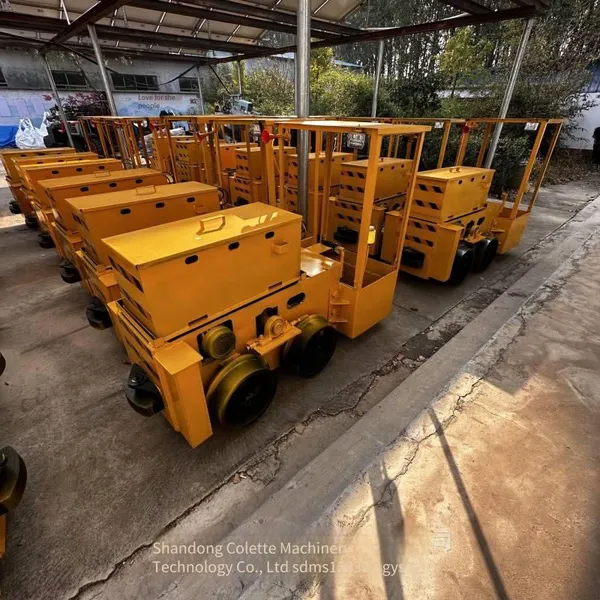
Mining Electric Locomotive 2-ton Small Battery-powered Track Traction LocomotiveUS$ 2733MOQ: 1 Combo
-
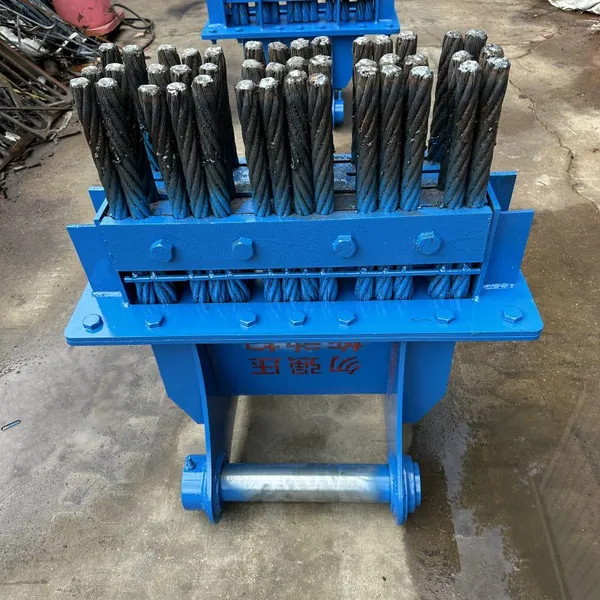
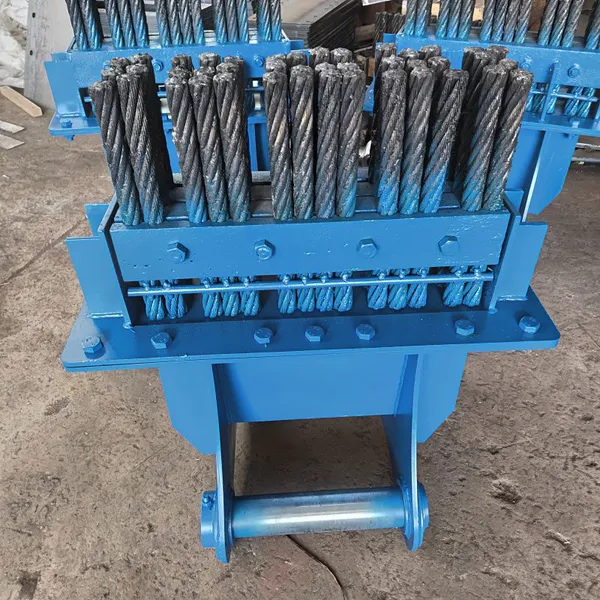
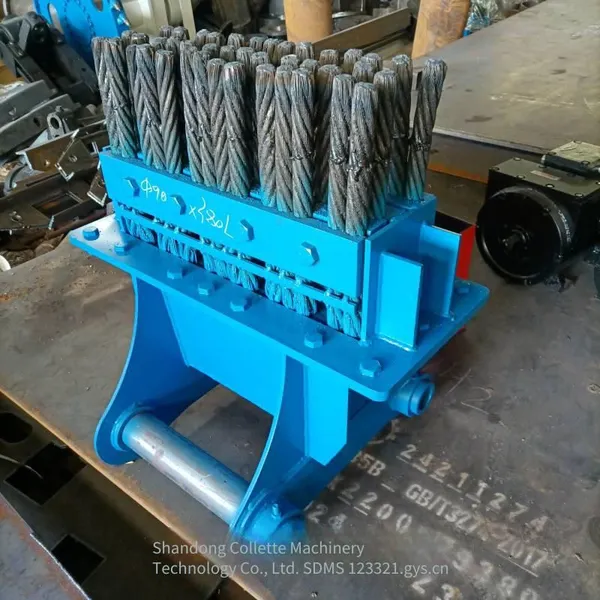
Producing Custom Excavator Modified Steel Brushes, Tunnel Invert Three-row and Four-row Cleaning BrushesNegotiableMOQ: 1 Combo
-
Excavator Attachment Steel Brush, Tunnel Invert Cleaning Three-row Four-row Custom FactoryUS$ 800 - 1200MOQ: 1 Combo
-
Heavy-duty Tunnel Invert Steel Brush for Excavator Modification (3 or 4-row High-strength Cleaning Brush)”US$ 4000MOQ: 1 Combo
-
ZWY-60 Type Sliding Slag Scraper Full Hydraulic Control System Full-time Four-wheel Drive Excavator SupplyNegotiableMOQ: 1 Combo
-
Tire Slag Removal Machine, Crawler Scraper Slag Removal Machine, Breaker Slag Cleaning Loader ManufacturerNegotiableMOQ: 1 Combo
-
ZWY Series Four-wheel Drive Hydraulic Muck Loader for Mining, High Thrust, High Efficiency, and Custom Processing.NegotiableMOQ: 1 Combo
-
New Model Mine Engineering Loading Equipment - Wheeled Belt Mucking Loader Zwy-80 With Hydraulic Breaker, ma and ka CertificatesUS$ 8307.69 - 8461.54MOQ: 1 Unit
-
100-type Mine-used Loading Mucking Machine, Tunnel Rake Loader, Mine Rail Transport Vehicle, 0.75 Cubic Meter Dump Mine CarUS$ 7384.62 - 7630.77MOQ: 1 Unit
-
Mine-used Crawler Scraper Mucking Loader, Model Zwy80 Explosion-proof Mucking Loader, Special Mucking Equipment for Slopes, CustomizableUS$ 7384.62 - 7630.77MOQ: 1 Unit
-
Type 120 Double-chain Crawler Scraper Mucking Loader, Explosion-proof Mucking Loader for Coal Mines, Roadheader for Large Cross-sections and Large SlopesUS$ 7384.62 - 7630.77MOQ: 1 Unit
-
Manufacturer of Mining Crawler Slag Scraper Machines, Coal Mine Explosion-proof Slag Scraper Machines, Double-scraper Conveyor, Manufacturer of Slag Scraper Machine AccessoriesUS$ 7230.77 - 7384.62MOQ: 1 Piece
-
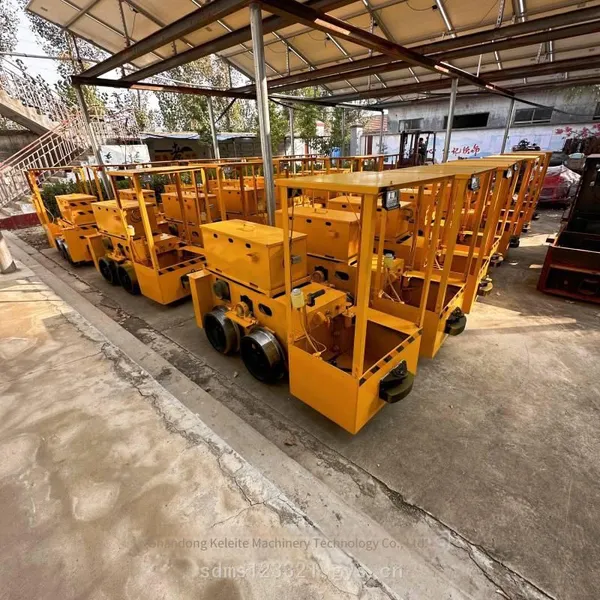
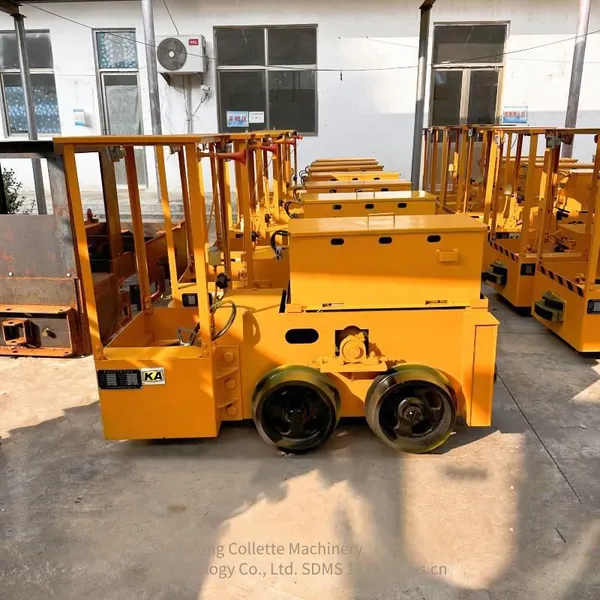
Original Manufacturer of Mine-used Rail Tractors. Sturdy and Durable. Battery Electric Locomotive With Thickened Steel Plate for the Whole VehicleUS$ 8923.08 - 9230.77MOQ: 1 Piece
-
Battery-powered Mine Tunnel Electric Locomotive, Rail Ore-hauling Transport Vehicle, 3-ton, 5-ton and 8-ton Explosion-proof Industrial Mining MachineryUS$ 8923.08 - 9230.77MOQ: 1 Set
-
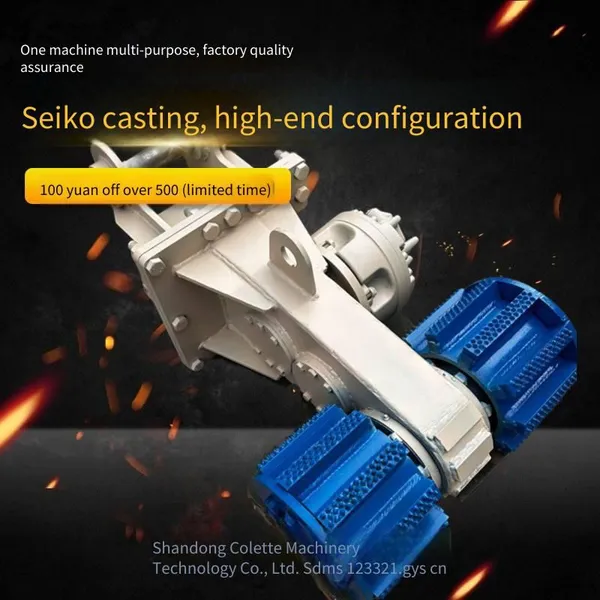
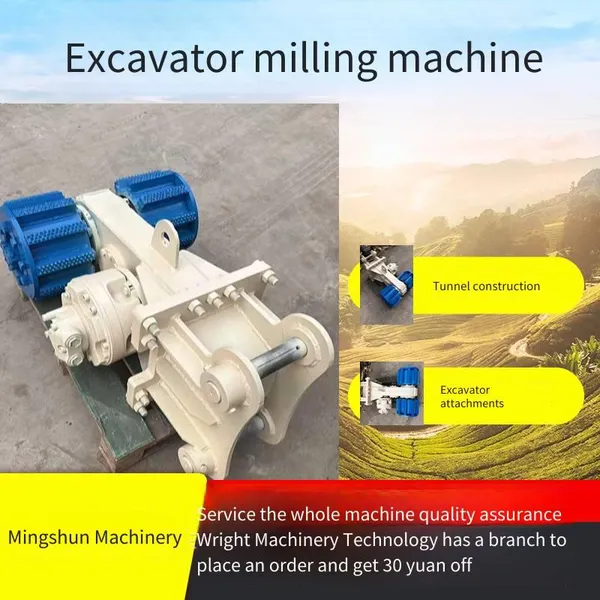
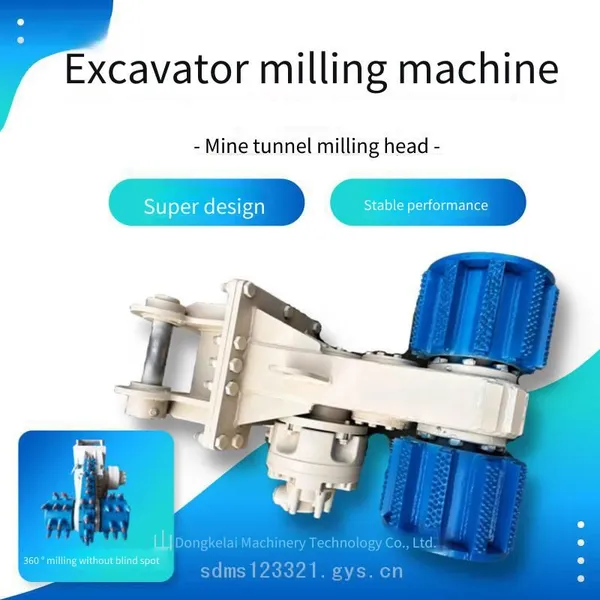
High-efficiency Excavation Milling Excavator for Excavators, Rolling Cutter Milling Excavator, Manufacturer of Horizontal Blind - Spot - Free Milling ExcavatorsUS$ 5061.54 - 5538.46MOQ: 1 Unit
-
2-ton Electric Locomotive for Coal Mines, Explosion-proof Diesel Locomotive for Mines, 5-ton Diesel Locomotive for MinesUS$ 8923.08 - 9230.77MOQ: 1 Piece
-
Tunnel Excavation, Municipal Cable Trenching and Grooving Machine, Disc Wheel Type Milling Machine With Rotating Cutters, Manufacturer of Rolling Milling MachinesUS$ 5384.62 - 5846.15MOQ: 1 Unit
-
Mini Excavator Milling and Brushing Machine for Walls, Milling Heads for 15 - 30 Ton Excavators, Tunnel Boring and Cable TrenchingUS$ 5061.54 - 5538.46MOQ: 1 Unit
-
Underground Battery-powered Transport Tractors for Coal Mines. Batch Supply of 2-ton, 2.5-ton and 5-ton Underground Electric LocomotivesUS$ 8923.08 - 9230.77MOQ: 1 Piece