 Business License
Diesel three-wheeler seven-speed and eight-speed
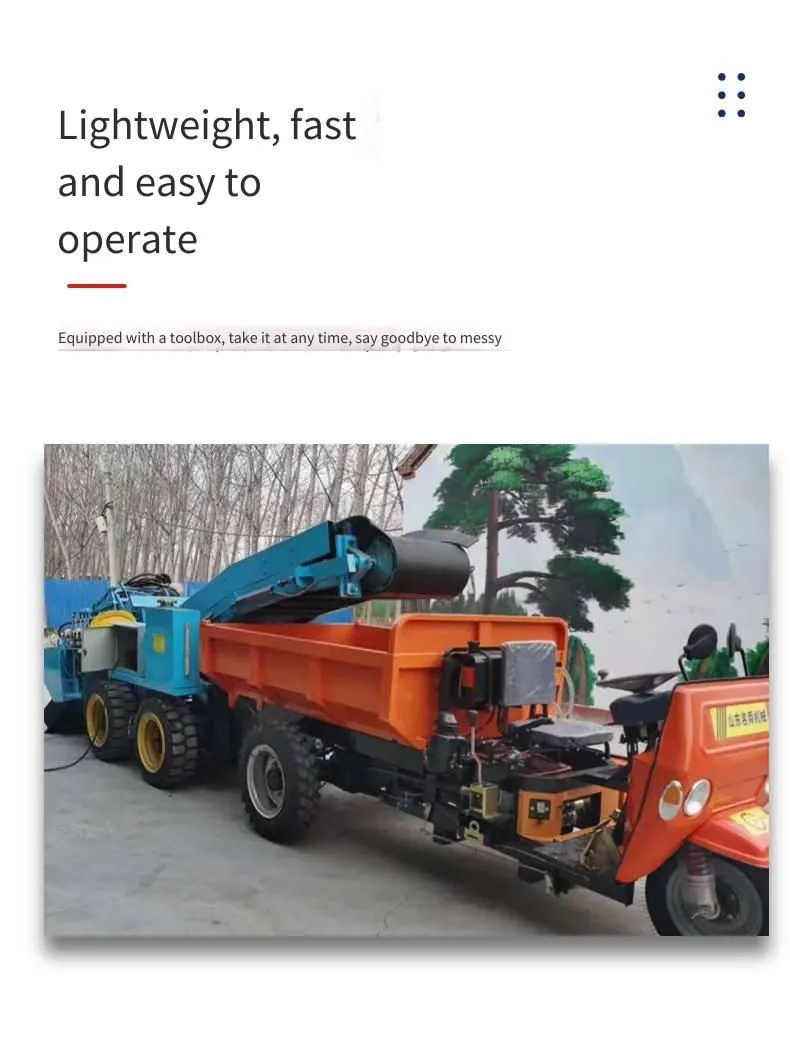
The comparative analysis between the seventh-speed and eighth-speed diesel tricycles is as follows:
1. Structure and Operational Complexity
Seventh gear: The structure is relatively simple, easy to operate, and has a low failure rate. Its forward gear ratio design is basic, suitable for users who demand high ease of operation.
Eight-speed: Improved upon the seven-speed, with a more complex structure and slightly increased operational difficulty. However, by adding more gears, the eight-speed gearbox optimizes the speed ratio design, enabling more refined power transmission.
II. Power and Load-bearing Capacity
Seventh gear: The power output is smooth, suitable for light or medium load transportation. It performs well on flat roads or for short-distance transport, but may feel slightly strenuous when carrying heavy loads or climbing slopes.
Eight-speed: It offers stronger power output, especially suitable for heavy loads or complex road conditions. Its multi-gear design allows the engine to operate within a more economical speed range, enhancing traction and climbing ability. For instance, eight-speed models can easily handle heavy loads such as waste rock and sand, and exhibit greater stability on rough roads.
III. Fuel Economy
Seventh gear: On flat roads or when driving at a constant speed, fuel economy is good. However, due to the limited number of gears, engine speed fluctuations may be significant, affecting fuel consumption.
Eight-speed: Through more precise gear division, eight-speed models can keep the engine within the optimal speed range, thereby reducing fuel consumption. Especially during heavy loads or climbing, the eight-speed transmission can reduce engine load by adjusting gears, enhancing fuel efficiency.
IV. Applicable Scenarios
Speed 7: Suitable for light-load transportation, short-distance operations, or scenarios where high operational simplicity is required, such as urban distribution and agricultural field work.
Eight-speed: It is more suitable for heavy-duty transportation, complex road conditions, or scenarios with high power requirements, such as mining, construction sites, long-distance transportation, etc. Its multi-speed design also enhances the vehicle's maneuverability at low speeds, making it suitable for work environments that require frequent speed adjustments.
V. Maintenance and Cost
Seven-speed: Due to its simple structure, it has low maintenance costs and is easier to replace parts. It is suitable for users with limited budgets or who are sensitive to maintenance costs.
Eight-speed: The complex structure may lead to slightly higher maintenance costs and potentially pricier parts. However, in the long run, the improved power performance and fuel economy may offset these costs.
Recently Posted
-
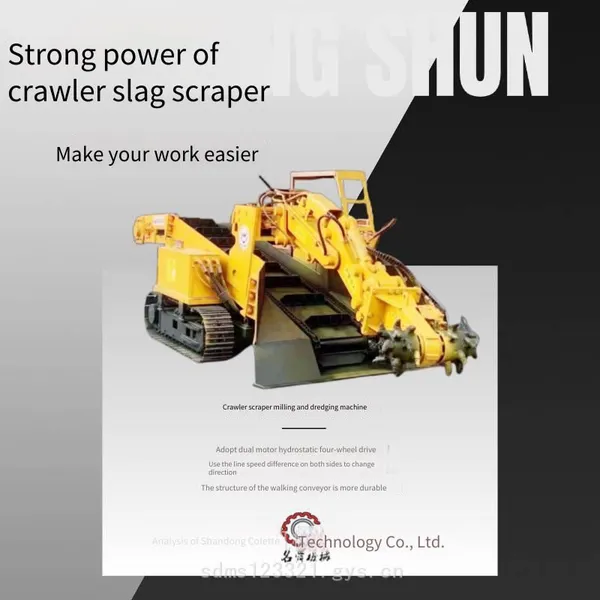
Crawler Belt Mucking Machine
April 20, 2026Crawler belt slag scraper (also known as crawler belt slag loader, ZWY crawler-type excavating loader), is the main equipment for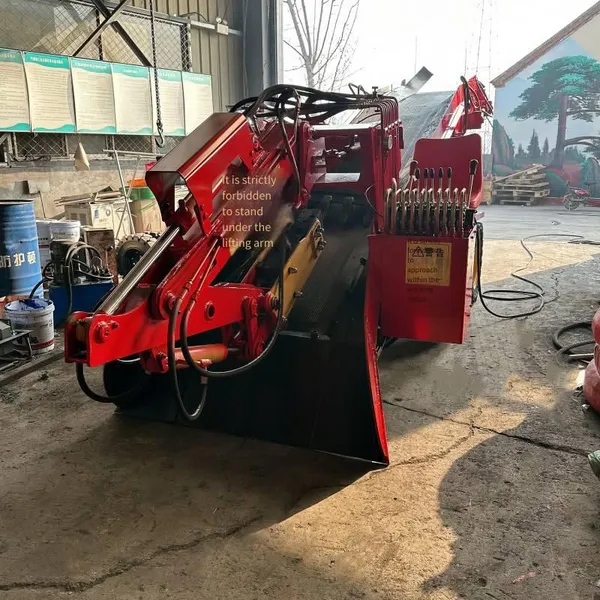 Read More
 -
Mine Transport Three-wheeled Vehicle Engine
March 14, 2026The characteristics and recommendations of the engine for mining transport tricycles are as follows:1. Engine types and characteri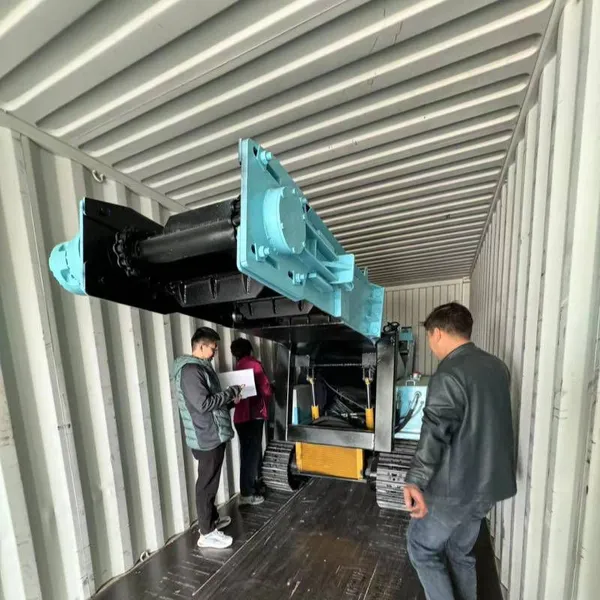 Read More
 -
ZWY-60 Wheeled Mucking Loader: Efficient & Flexible Underground Mucking Solution
March 4, 2026The ZWY-60 Wheeled Mucking Loader is a medium-duty tire-type mucking equipment with 60m³/h loading capacity and moderate power con
Read More -
Research on Technical Principles, Application Status and Development Trends of Mine Mucking Machines
March 4, 2026Mine Mucking Loader: Structure, Working Principle and Development Trend As a key piece of equipment for modern underground mine ex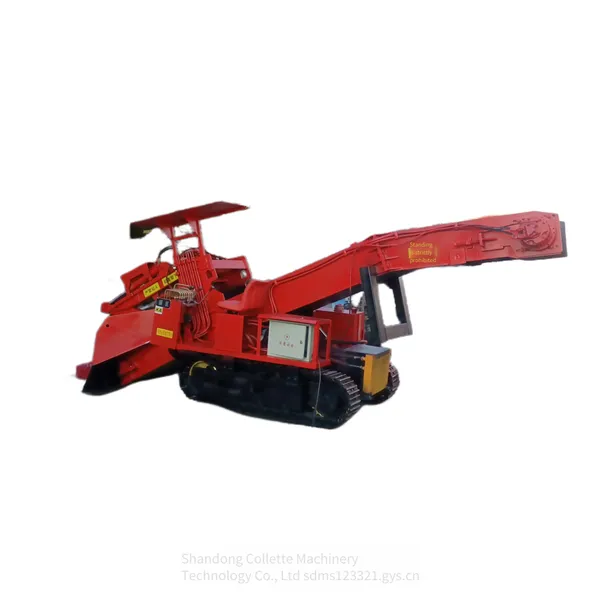 Read More

Contact Us
Recommended Products
-
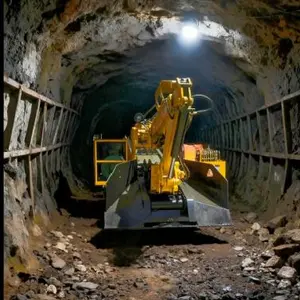
 Mine Mucking Machine Underground Tunnel Mucking Machine Wheel Crawler Mucking Machine ManufacturerNegotiableMOQ: 1 Combo
 -
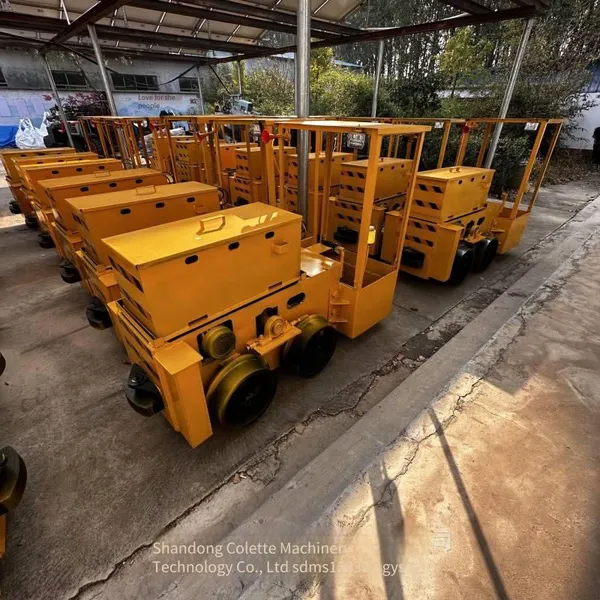
Mining Electric Locomotive 2-ton Small Battery-powered Track Traction LocomotiveUS$ 2733MOQ: 1 Combo
-
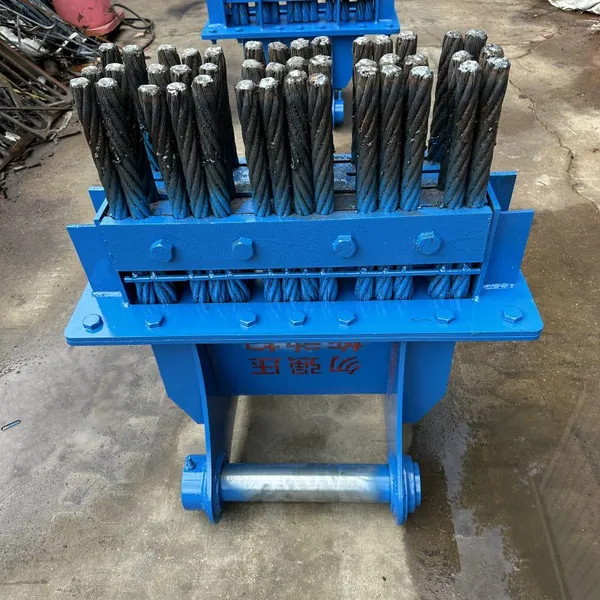
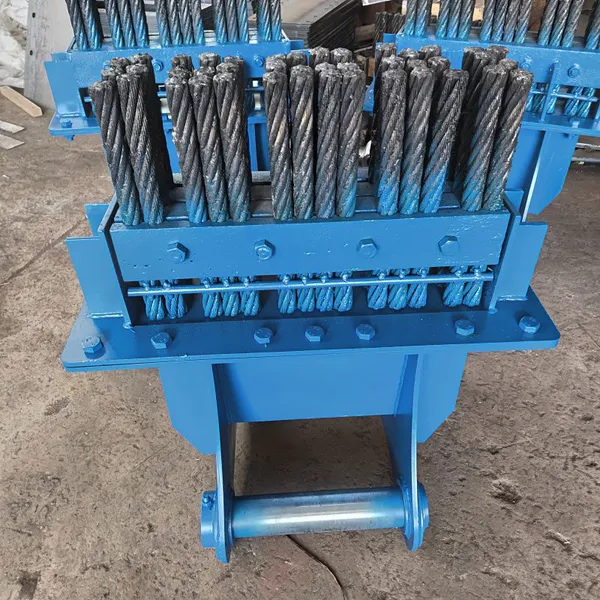
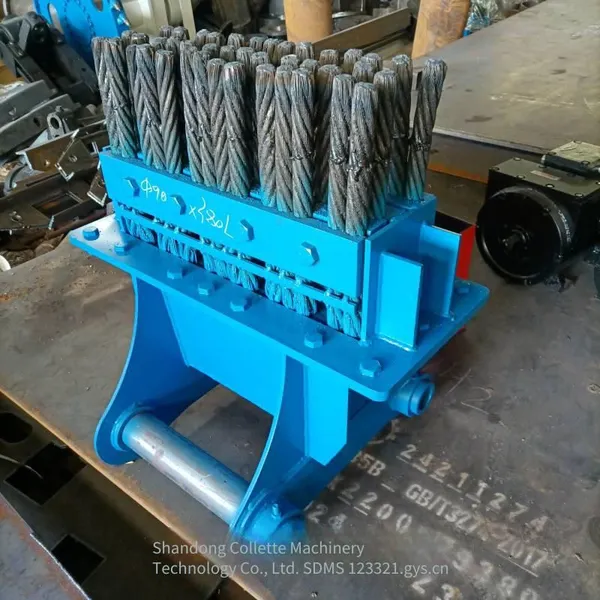
Producing Custom Excavator Modified Steel Brushes, Tunnel Invert Three-row and Four-row Cleaning BrushesNegotiableMOQ: 1 Combo
-
Excavator Attachment Steel Brush, Tunnel Invert Cleaning Three-row Four-row Custom FactoryUS$ 800 - 1200MOQ: 1 Combo
-
Heavy-duty Tunnel Invert Steel Brush for Excavator Modification (3 or 4-row High-strength Cleaning Brush)”US$ 4000MOQ: 1 Combo
-
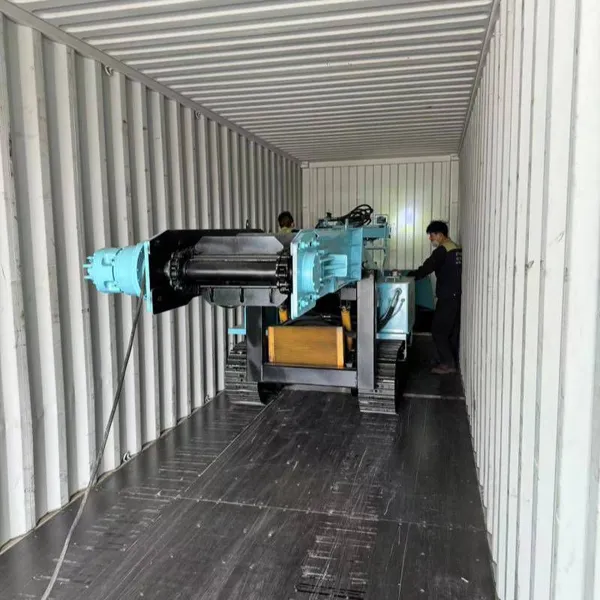
ZWY-60 Type Sliding Slag Scraper Full Hydraulic Control System Full-time Four-wheel Drive Excavator SupplyNegotiableMOQ: 1 Combo
-
Tire Slag Removal Machine, Crawler Scraper Slag Removal Machine, Breaker Slag Cleaning Loader ManufacturerNegotiableMOQ: 1 Combo
-
ZWY Series Four-wheel Drive Hydraulic Muck Loader for Mining, High Thrust, High Efficiency, and Custom Processing.NegotiableMOQ: 1 Combo
-
New Model Mine Engineering Loading Equipment - Wheeled Belt Mucking Loader Zwy-80 With Hydraulic Breaker, ma and ka CertificatesUS$ 8307.69 - 8461.54MOQ: 1 Unit
-
100-type Mine-used Loading Mucking Machine, Tunnel Rake Loader, Mine Rail Transport Vehicle, 0.75 Cubic Meter Dump Mine CarUS$ 7384.62 - 7630.77MOQ: 1 Unit
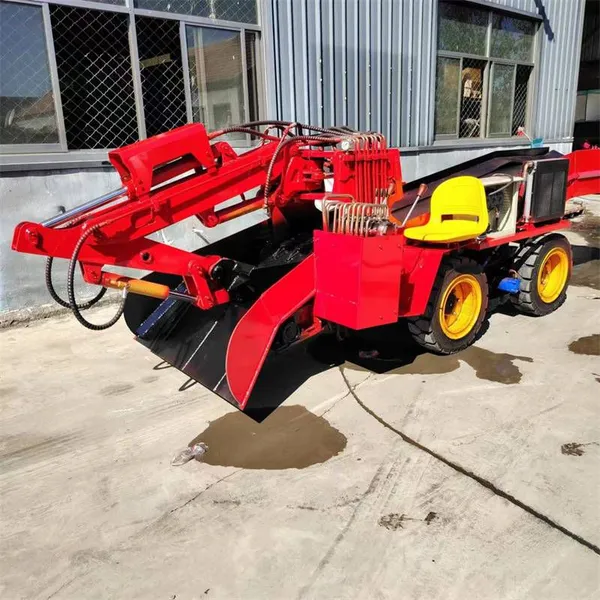
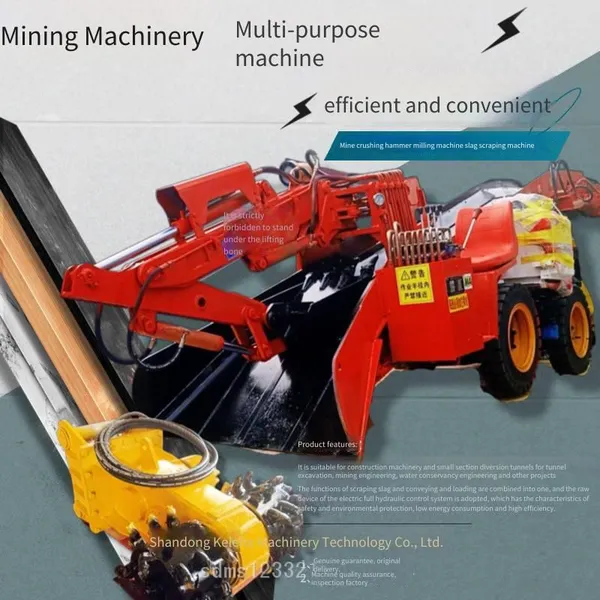
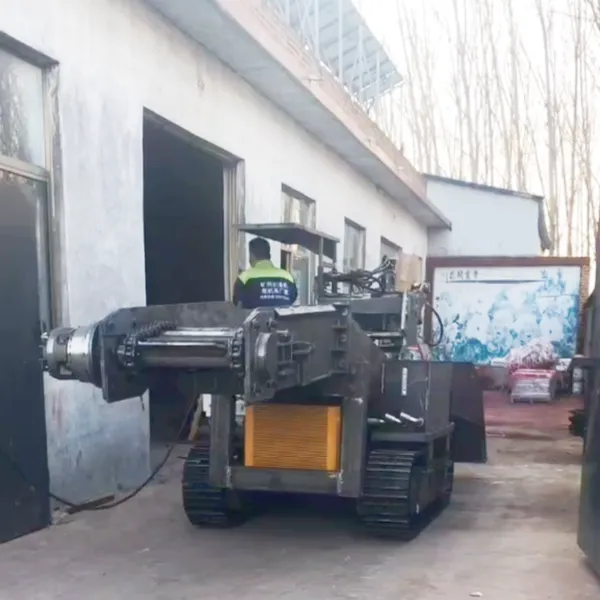
-
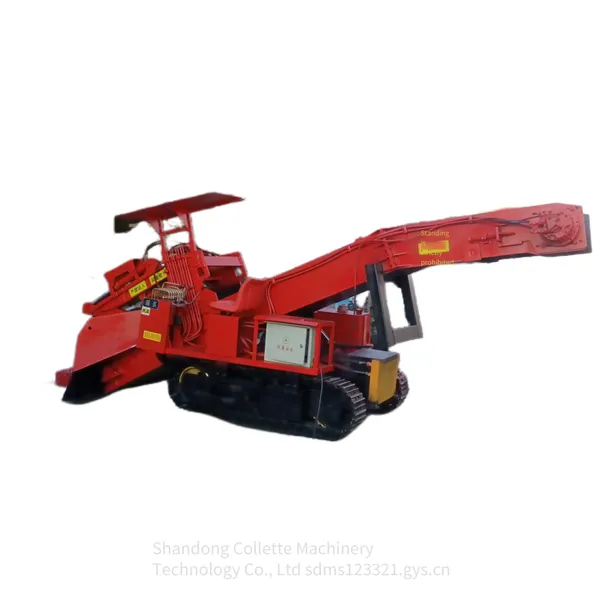
Mine-used Crawler Scraper Mucking Loader, Model Zwy80 Explosion-proof Mucking Loader, Special Mucking Equipment for Slopes, CustomizableUS$ 7384.62 - 7630.77MOQ: 1 Unit
-
Type 120 Double-chain Crawler Scraper Mucking Loader, Explosion-proof Mucking Loader for Coal Mines, Roadheader for Large Cross-sections and Large SlopesUS$ 7384.62 - 7630.77MOQ: 1 Unit
-
Manufacturer of Mining Crawler Slag Scraper Machines, Coal Mine Explosion-proof Slag Scraper Machines, Double-scraper Conveyor, Manufacturer of Slag Scraper Machine AccessoriesUS$ 7230.77 - 7384.62MOQ: 1 Piece
-
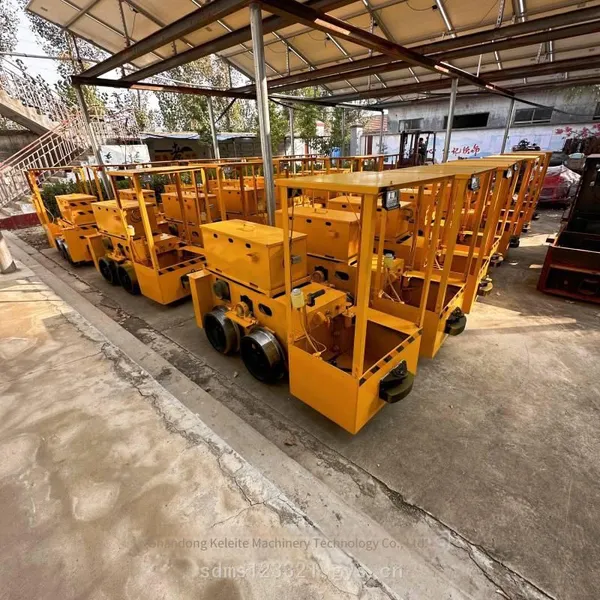
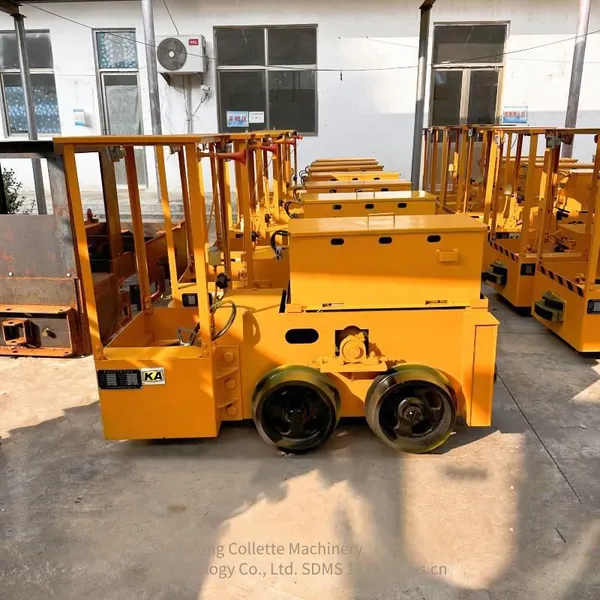
Original Manufacturer of Mine-used Rail Tractors. Sturdy and Durable. Battery Electric Locomotive With Thickened Steel Plate for the Whole VehicleUS$ 8923.08 - 9230.77MOQ: 1 Piece
-
Battery-powered Mine Tunnel Electric Locomotive, Rail Ore-hauling Transport Vehicle, 3-ton, 5-ton and 8-ton Explosion-proof Industrial Mining MachineryUS$ 8923.08 - 9230.77MOQ: 1 Set
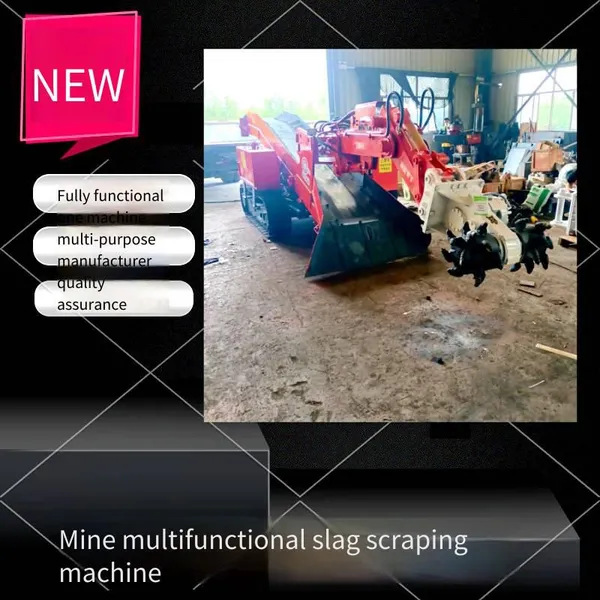
-
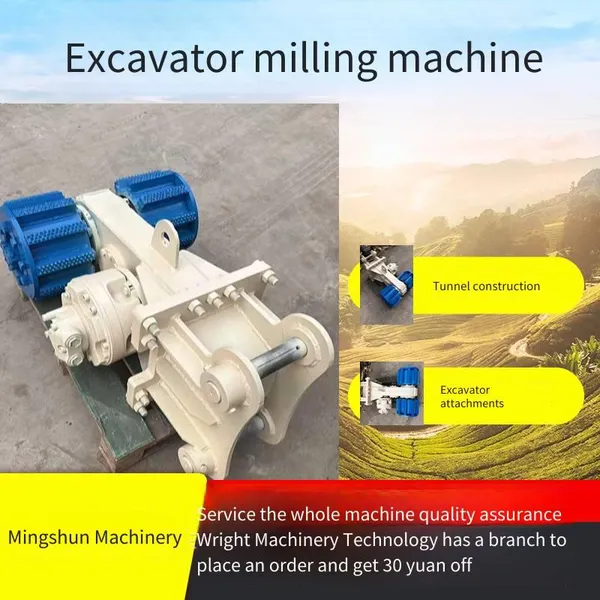
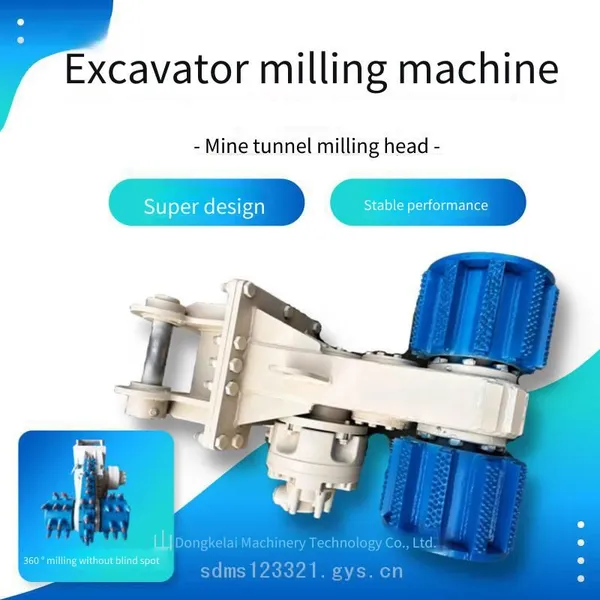
High-efficiency Excavation Milling Excavator for Excavators, Rolling Cutter Milling Excavator, Manufacturer of Horizontal Blind - Spot - Free Milling ExcavatorsUS$ 5061.54 - 5538.46MOQ: 1 Unit
-
2-ton Electric Locomotive for Coal Mines, Explosion-proof Diesel Locomotive for Mines, 5-ton Diesel Locomotive for MinesUS$ 8923.08 - 9230.77MOQ: 1 Piece
-
Tunnel Excavation, Municipal Cable Trenching and Grooving Machine, Disc Wheel Type Milling Machine With Rotating Cutters, Manufacturer of Rolling Milling MachinesUS$ 5384.62 - 5846.15MOQ: 1 Unit
-
Mini Excavator Milling and Brushing Machine for Walls, Milling Heads for 15 - 30 Ton Excavators, Tunnel Boring and Cable TrenchingUS$ 5061.54 - 5538.46MOQ: 1 Unit
-
Underground Battery-powered Transport Tractors for Coal Mines. Batch Supply of 2-ton, 2.5-ton and 5-ton Underground Electric LocomotivesUS$ 8923.08 - 9230.77MOQ: 1 Piece